
18 Wabi Sabi Living Room Ideas That Celebrate Imperfect Beauty
Why Wabi Sabi Living Room Designs Feel So Peaceful Wabi sabi celebrates beauty in imperfection, age, and natural simplicity. This Japanese philosophy rejects perfection for something more honest and real. Wabi sabi living room designs use raw textures, muted colors, and handmade objects. The style feels calm because nothing tries too hard to impress. You…
Why Wabi Sabi Living Room Designs Feel So Peaceful
Wabi sabi celebrates beauty in imperfection, age, and natural simplicity. This Japanese philosophy rejects perfection for something more honest and real. Wabi sabi living room designs use raw textures, muted colors, and handmade objects. The style feels calm because nothing tries too hard to impress. You don’t need expensive furniture to create this peaceful atmosphere. These 18 ideas show you how to embrace imperfect, authentic beauty. Let’s build your dream wabi sabi living room starting today.
Raw Natural Materials
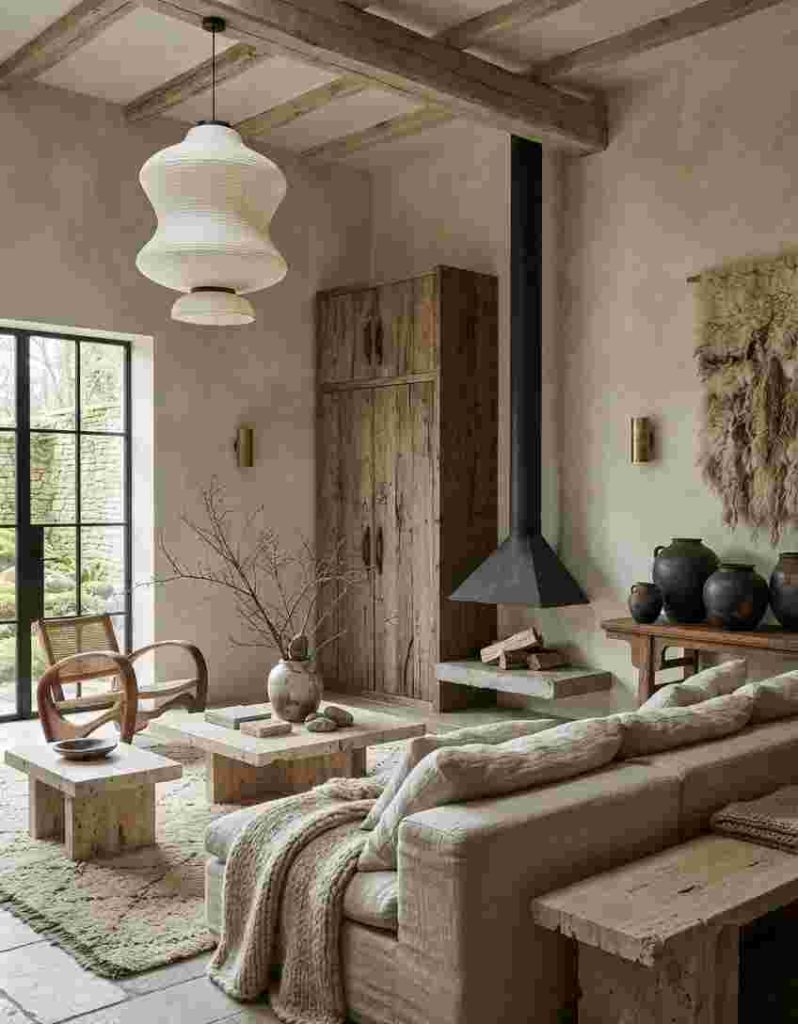
Choose furniture made from unfinished wood, stone, and clay. These materials show natural grain, texture, and imperfections proudly. Avoid glossy, polished, or overly manufactured surfaces completely here. Raw materials feel honest and connect your room to nature. This approach celebrates authenticity over flawless, factory-made perfection. Your furniture tells a story through its natural, unrefined character. The room feels grounded, calm, and genuinely peaceful throughout.
Muted Earthy Palette
Stick to warm neutrals like clay, sand, and soft gray tones. These colors feel calming and connect deeply to natural landscapes. Avoid bright, saturated colors that feel artificial or overly cheerful. Muted tones create a quiet, contemplative living room atmosphere. Layer different earthy shades for subtle depth and visual interest. This restrained palette never competes for attention or feels loud. Your room feels settled, calm, and effortlessly sophisticated always.

Handmade Ceramic Pieces
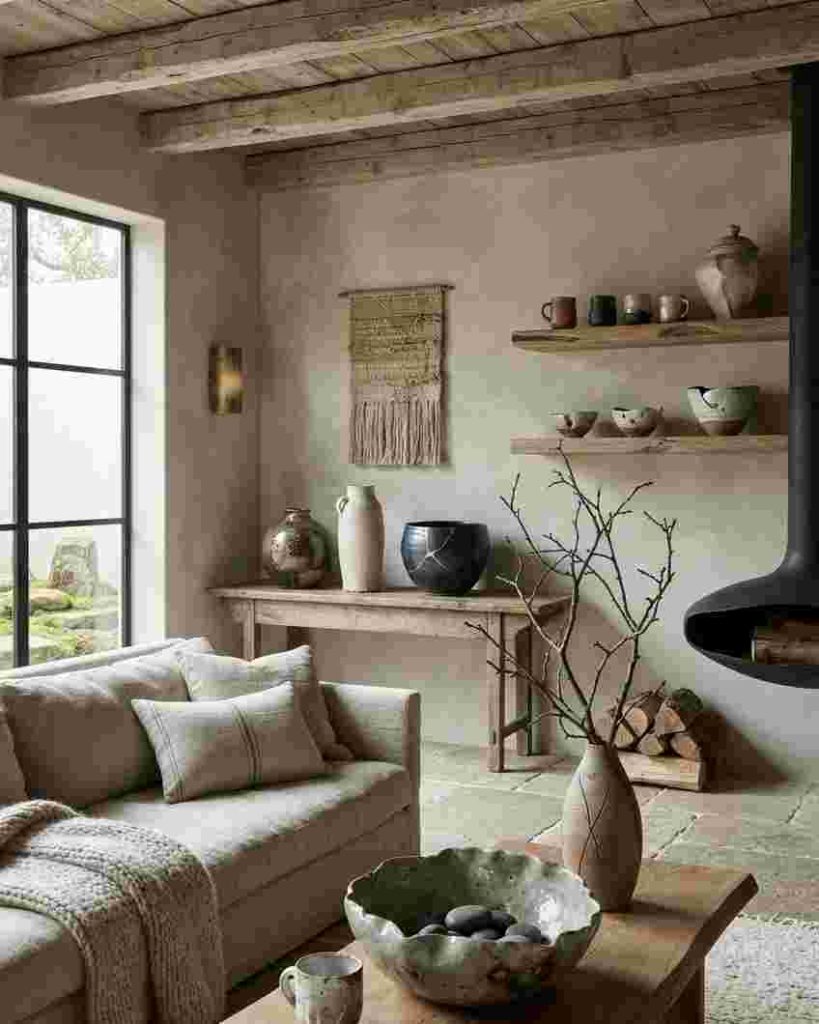
Display handmade pottery with visible imperfections and uneven glazes. These pieces celebrate the maker’s hand rather than machine precision. Choose bowls, vases, and cups with organic, irregular shapes. Imperfect ceramics tell a story that mass-produced items simply cannot. Place them on shelves or low tables as functional art. This detail brings authentic wabi sabi philosophy into daily life. Your room gains soul through these genuinely handcrafted objects.
Weathered Wood Furniture
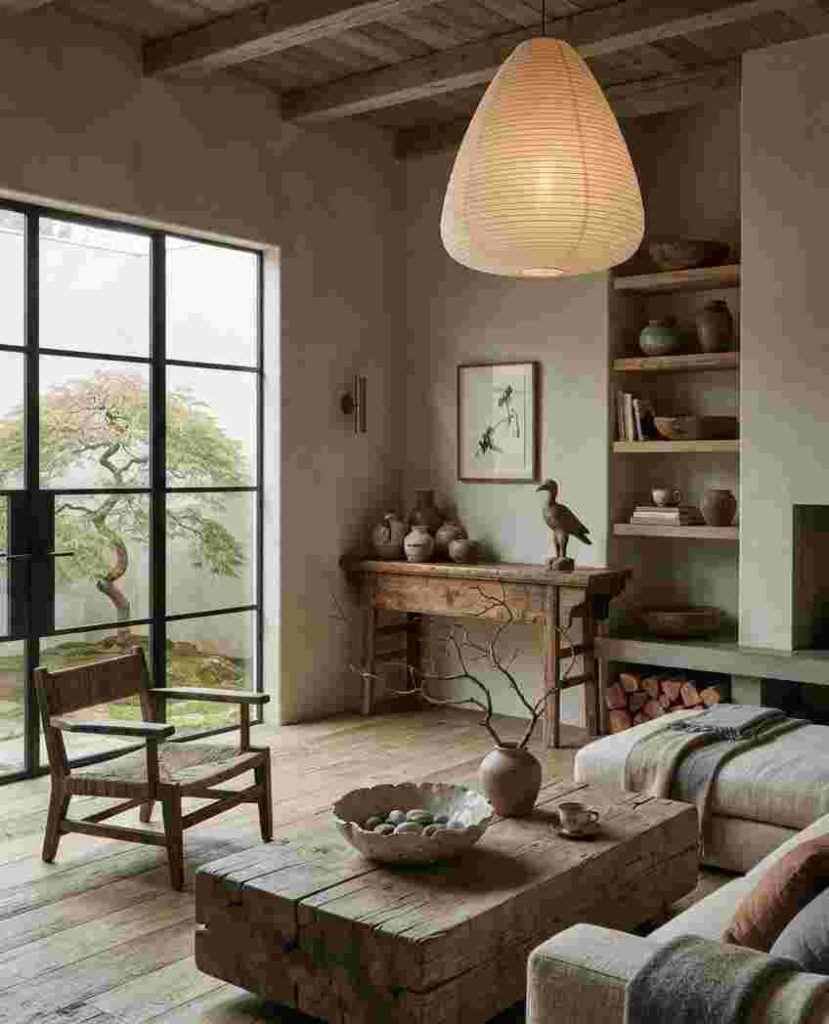
Choose furniture with visible knots, cracks, and natural aging marks. Weathered wood feels honest and celebrates time’s natural passage beautifully. Avoid furniture that looks brand new or overly polished always. This aged character adds depth and genuine history to your room. Reclaimed wood pieces work perfectly for authentic wabi sabi style. The imperfections become the furniture’s most beautiful, defining feature. Your living room feels lived-in, warm, and quietly meaningful.
Gray Couch Living Room Ideas Blend
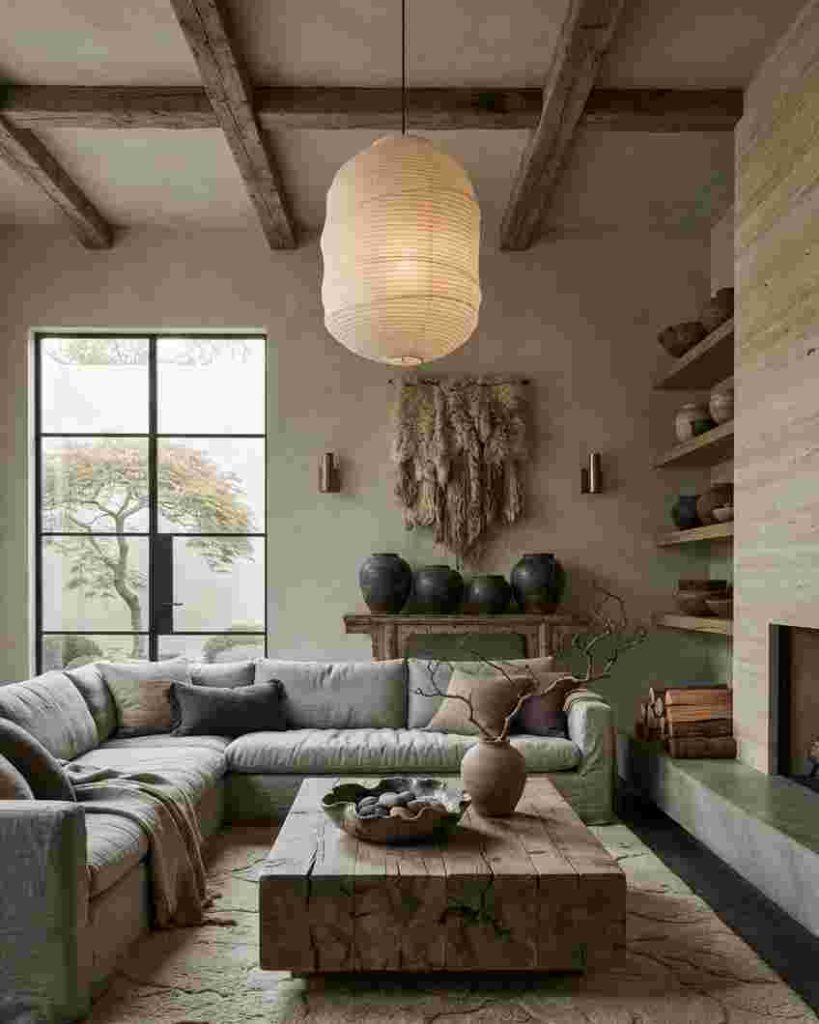
A soft gray sofa fits naturally into wabi sabi’s muted palette. Choose linen or cotton fabric with a relaxed, slightly wrinkled texture. Gray feels calm and never demands unnecessary visual attention. Pair with natural wood furniture and handmade ceramic accents nearby. This combination feels effortlessly serene and beautifully understated overall. For more neutral seating inspiration, explore these Gray Couch Living Room Ideas. Your room feels peaceful, balanced, and quietly sophisticated throughout.
Asymmetrical Furniture Layout
Arrange furniture in slightly imperfect, asymmetrical groupings intentionally. Avoid perfectly matched, symmetrical furniture placement completely here. This creates a natural, unforced feeling throughout your living room. Mix different chair styles rather than matching sets exactly. Asymmetry feels more human and less showroom-perfect always. This approach embraces wabi sabi’s core philosophy of natural imperfection. Your room feels organic, relaxed, and genuinely comfortable to inhabit.

Linen Textile Layers
Layer linen throws, cushions, and curtains throughout your space. This natural fabric wrinkles beautifully and feels relaxed, never stiff. Choose undyed or naturally dyed linen in soft, muted tones. Linen’s texture adds visual interest without introducing bold pattern. This fabric softens hard furniture lines and adds gentle warmth. The relaxed drape feels effortless rather than perfectly pressed always. Your room feels soft, inviting, and beautifully unpretentious throughout.

Exposed Concrete Elements
Leave concrete floors, walls, or accents unfinished and raw. This industrial material feels honest and celebrates its natural texture. Concrete pairs beautifully with soft textiles and warm wood tones. The contrast between hard and soft creates balanced visual interest. This element works especially well in modern wabi sabi spaces. Concrete’s imperfections and variations add authentic character always. Your room feels grounded, minimal, and quietly industrial-inspired.

Boho Living Room Ideas Fusion
Wabi sabi and bohemian styles share a love for natural, handmade objects. Mix woven baskets and macramé with your muted wabi sabi palette. Both styles celebrate imperfection over polished, matched perfection. This fusion feels warm, textured, and effortlessly collected over time. Layer natural fibers like jute and rattan throughout your space. For more layered texture inspiration, browse these Boho Living Room Ideas tips. Your room feels personal, warm, and beautifully lived-in.
Dried Botanical Branches
Display dried branches, grasses, or seed pods in simple vases. These natural elements celebrate the beauty of aging and decay. Choose ceramic or stone vessels with organic, imperfect shapes. Dried botanicals need no water or maintenance whatsoever. This detail brings nature’s quiet, imperfect beauty indoors easily. The muted, faded colors fit wabi sabi’s palette perfectly always. Your room feels connected to nature’s honest, changing cycles.

Low Profile Seating
Choose low, simple sofas and floor cushions for grounded seating. This furniture style feels humble and connects you closer to earth. Avoid tall, ornate, or overly formal furniture pieces completely. Low seating creates a relaxed, contemplative atmosphere throughout your room. This approach reflects traditional Japanese living room principles beautifully. Simple silhouettes without excessive decoration define this seating choice. Your room feels calm, grounded, and genuinely peaceful daily.

Natural Light Emphasis
Keep window treatments minimal to maximize natural light entry. Use sheer linen curtains or leave windows completely bare. Natural light changes throughout the day, creating shifting shadows and warmth. This connection to daylight feels essential to wabi sabi philosophy. Avoid heavy, light-blocking curtains that feel artificial or controlling. The changing quality of light becomes part of your room’s beauty. Your space feels alive, responsive, and deeply connected to nature.

Cracked and Repaired Objects
Display objects with visible repairs like kintsugi-style gold seams. This Japanese technique celebrates breakage as part of an object’s history. Cracked bowls or vases become more beautiful through their repair. This detail embodies wabi sabi’s core philosophy most directly. Even simple visible mends on textiles carry this same meaning. The imperfection becomes the object’s most compelling, storied feature. Your room gains deep philosophical meaning through these small details.

Stone and Clay Accents
Use stone bowls, clay pots, and natural rock elements throughout. These materials feel ancient, grounded, and beautifully imperfect always. Choose pieces with natural variations in color and texture. Stone and clay age gracefully and develop character over time. This detail connects your room to earth’s raw, natural materials. Group several pieces together for understated, organic visual impact. Your living room feels timeless, grounded, and quietly meaningful throughout.
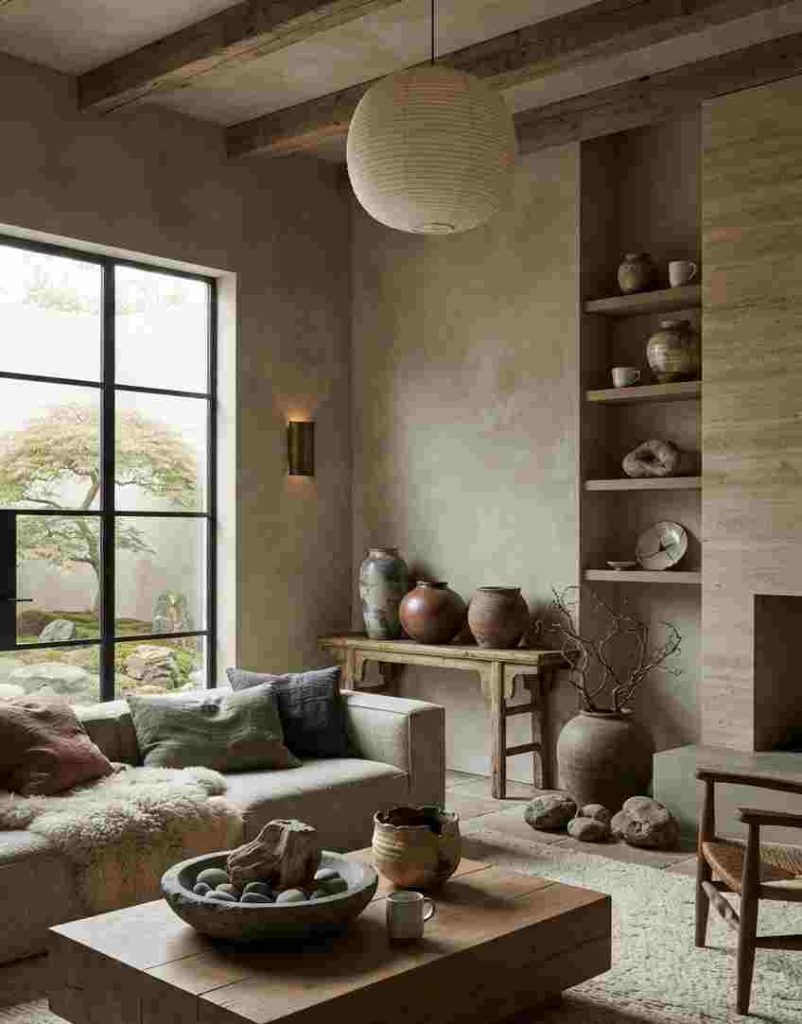
Minimal Uncluttered Surfaces
Keep tabletops and shelves mostly empty with few, intentional objects. Avoid excessive decoration or cluttered, busy surface styling completely. Choose one or two meaningful objects per surface maximum. This restraint creates visual calm and breathing room throughout. Empty space becomes as important as the objects you display. This minimal approach reflects wabi sabi’s quiet, contemplative nature. Your room feels peaceful, spacious, and genuinely uncluttered always.

Faded Vintage Textiles
Choose rugs and textiles with naturally faded, worn patterns. These pieces show age gracefully rather than looking pristine or new. Vintage Turkish or Moroccan rugs work beautifully for this style. The faded colors feel soft, muted, and genuinely lived-in. Avoid bright, bold patterns that feel too new or manufactured. This detail adds history and authentic character to your floors. Your room feels collected, warm, and quietly storied throughout.
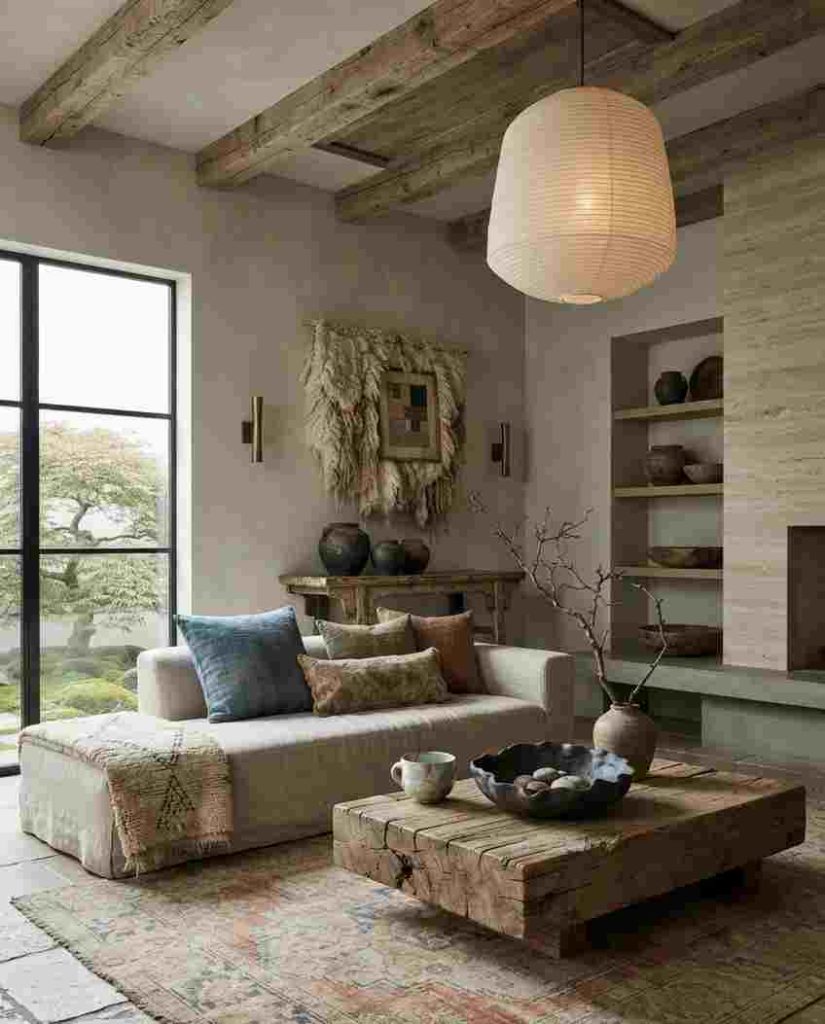
Organic Plant Shapes
Choose plants with natural, imperfect, slightly irregular growth patterns. Avoid perfectly trimmed or artificially shaped topiary plants completely. Bonsai, olive branches, and simple potted greens work beautifully here. These plants celebrate natural growth rather than forced, controlled perfection. Place them in simple clay or stone pots without decoration. This detail brings living, breathing imperfection into your space daily. Your room feels alive, natural, and genuinely connected to growth.
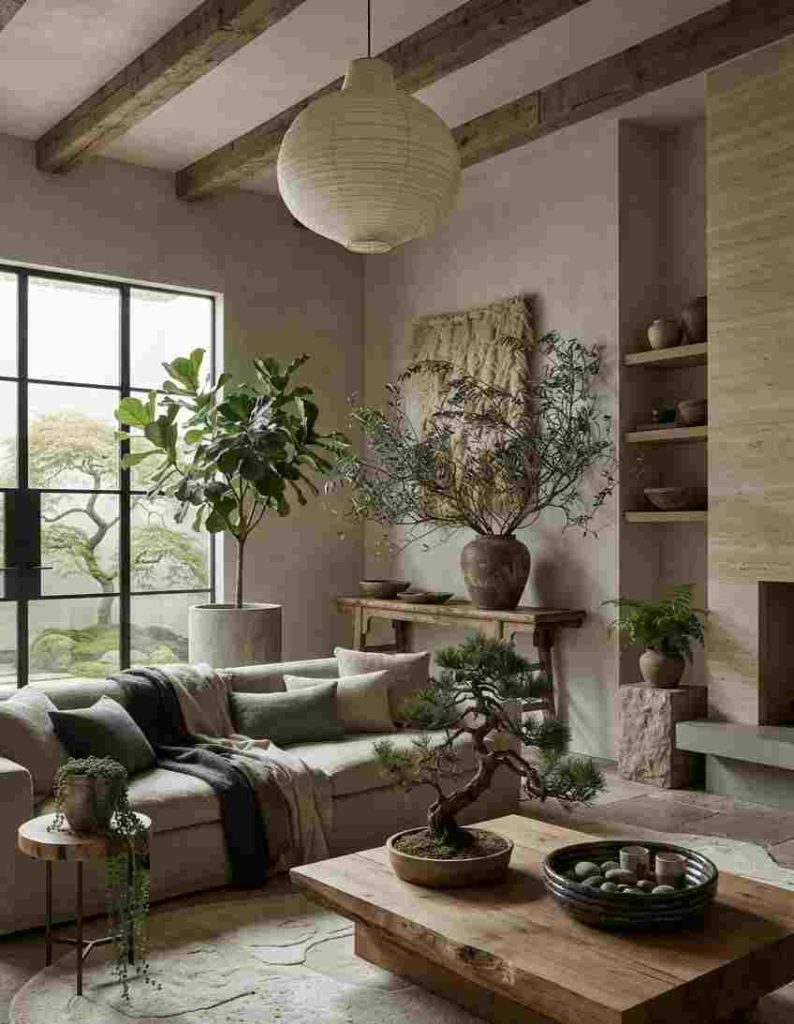
Warm Candlelight Ambiance
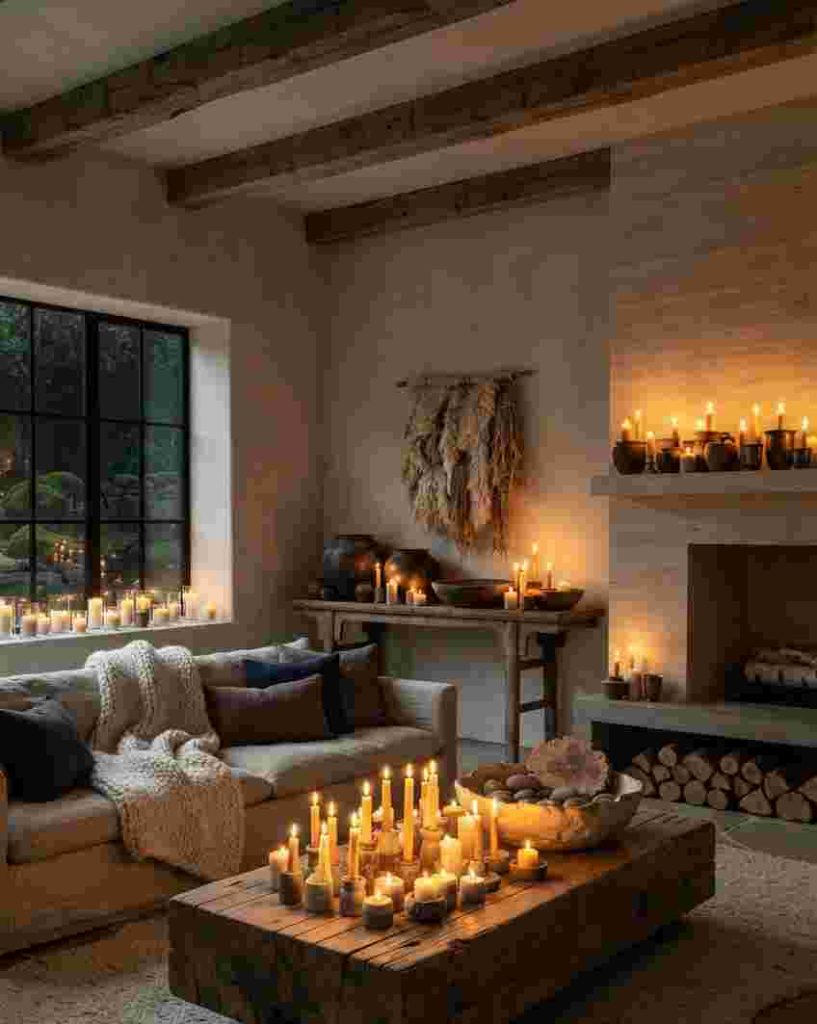
Light your room primarily with candles rather than harsh electric lighting. Choose simple beeswax or soy candles in natural, unscented varieties. Candlelight creates soft shadows and a warm, contemplative atmosphere. This lighting style feels ancient, calming, and genuinely peaceful always. Avoid bright, cold overhead lighting that feels harsh and clinical. The flickering warmth enhances your room’s quiet, reflective mood beautifully. Your living room feels intimate, calm, and deeply comforting nightly.
Frequently Asked Questions
Conclusion
Wabi sabi living rooms celebrate honest, imperfect beauty over flawless perfection. These 18 ideas prove this philosophy creates deeply calming home spaces. Start with raw materials, muted colors, and handmade ceramic pieces. Add natural light, minimal styling, and genuinely aged furniture gradually. Your living room will become a peaceful retreat from life’s daily chaos. Ready to embrace imperfect, authentic beauty in your home today?