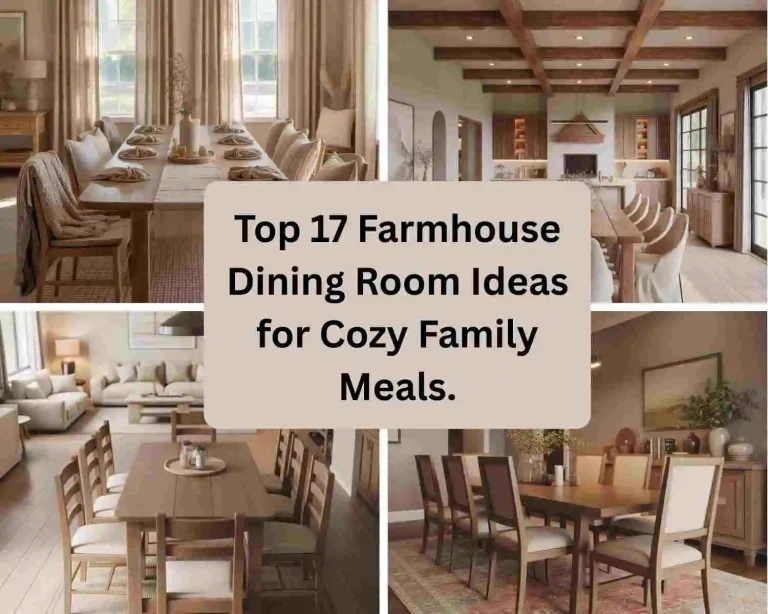
Small Dining Room Ideas | 17 Inspiring Designs.
Small dining rooms can feel spacious and stylish with the right design choices and smart furniture placement. These 17 ideas show you how to maximize every inch while creating a functional eating space that looks expensive. The 2026 trends focus on multi-functional furniture, light color palettes, and clever storage solutions that don’t sacrifice style. Whether…
Small dining rooms can feel spacious and stylish with the right design choices and smart furniture placement. These 17 ideas show you how to maximize every inch while creating a functional eating space that looks expensive.
The 2026 trends focus on multi-functional furniture, light color palettes, and clever storage solutions that don’t sacrifice style. Whether you’re working with a tiny apartment nook or a compact dedicated room, these designs prove small spaces can be both beautiful and practical.
Round Pedestal Table
Replace a rectangular table with a 36-42 inch round pedestal table that seats four comfortably without corner legs. The single center base allows chairs to tuck in from any angle and creates better flow in tight spaces. Pair with upholstered chairs in light colors like cream, beige, or soft gray for a cohesive look.
Round tables eliminate sharp corners that bruise hips in narrow walkways and create a more intimate dining experience. Choose a pedestal base in wood or painted white to match your style while maintaining the space-saving benefits. Add a simple centerpiece like a low vase with fresh flowers to keep sightlines open across the table.
Built-In Banquette Seating
Install an L-shaped or straight banquette bench along one wall with storage underneath the seats. Add a small rectangular or round table and two chairs on the opposite side for flexible seating. Use cushions in durable fabrics like performance linen or velvet in neutral colors with patterned throw pillows.
This setup saves floor space compared to chairs on all sides and provides hidden storage for linens and serving pieces. Built-in seating creates a cozy breakfast nook feeling that’s perfect for casual family meals. Paint the banquette base the same color as your walls to make it visually disappear and feel less bulky.
Wall-Mounted Drop-Leaf Table
Mount a drop-leaf table to the wall that folds down when not in use to save maximum floor space. Keep the table at standard dining height of 30 inches and choose a size that seats 2-4 people when fully extended. Add folding chairs that hang on wall hooks or stack in a closet when the table is folded up.
This ultra-space-saving solution works perfectly for studio apartments or kitchens with minimal dining areas. Choose a wood finish that matches your existing furniture or paint it to blend with your wall color. Add a pendant light directly above the table area to define the dining zone even when the table is folded.
Light Wood Furniture
Choose a dining table and chairs in light oak, maple, or whitewashed wood to keep the space feeling airy and open. Light wood reflects more natural light than dark finishes and makes small rooms appear larger. Pair with white or cream walls and add a jute or sisal area rug under the table for texture.
This Scandinavian-inspired approach creates a bright, welcoming dining area that photographs beautifully. Light wood furniture has staying power beyond current trends and works with various decorating styles. Add greenery through a simple potted plant centerpiece to bring life without cluttering the table surface.
Mirror Wall Accent
Hang a large floor-to-ceiling mirror on one dining room wall to visually double the space. Position the mirror to reflect natural light from windows or reflect your prettiest wall for maximum impact. Frame the mirror or use frameless panels for a modern, seamless look that doesn’t add visual weight.
Mirrors create depth and brightness while making small dining rooms feel significantly more spacious. Place the table perpendicular to the mirror wall rather than directly against it for the best visual effect. Keep the opposite wall simple with minimal artwork to avoid visual chaos in the reflection.
Bench One Side
Replace chairs on one side of your table with a slim upholstered bench that tucks completely underneath. This creates more floor space when the dining area isn’t in use and allows more people to squeeze in.
Choose a bench with a waterfall edge and no arms for the sleekest profile that slides easily under the table. Pair with two armless chairs on the opposite side in matching or complementary upholstery.
This asymmetrical seating arrangement adds visual interest while being highly practical for small spaces. Add a cushion runner along the bench in a washable fabric for comfort during longer meals.
Clear Acrylic Chairs
Use ghost chairs or clear acrylic dining chairs that virtually disappear and keep sightlines open. The transparent material doesn’t add visual weight to small spaces while still providing comfortable seating. Pair with any table style from modern to traditional since the chairs work with every aesthetic.
Clear chairs are easy to clean with just glass cleaner and a soft cloth, making them practical for daily use. They work especially well in small spaces with lots of furniture where solid chairs would feel overwhelming. Stack them in a corner when not needed or use them as extra seating throughout your home.
Extending Table Solution
Invest in a quality extending table that starts small for daily use but expands for dinner parties. Look for tables that extend from 36 inches to 60 inches with a smooth mechanism that’s easy to operate. Choose a design with a center leaf that stores inside the table or separately in a closet.
This gives you flexibility to accommodate guests without a permanently oversized table crowding your daily space. Modern extending tables come in sleek designs that don’t look bulky or traditional. Keep 4 chairs around the table daily and store extra folding chairs for when the table is extended.
Floating Shelves Storage
Install floating shelves on the dining room wall for dishes, glasses, and decorative items instead of a bulky hutch. Use 2-3 shelves at different heights to create vertical storage that doesn’t take floor space. Style with everyday dishes you actually use plus a few decorative pieces for visual interest.
This open storage approach keeps items accessible while making the room feel larger than closed cabinets. Paint shelves the same color as walls to create a seamless, built-in look that feels intentional. Use matching containers or baskets on lower shelves to hide clutter while maintaining the streamlined aesthetic.
Narrow Console Table
Use a slim 12-16 inch deep console table as a dining table for one or two people in tiny spaces. Add a couple of counter-height stools that tuck completely underneath when not in use. This works perfectly for studio apartments or as a breakfast spot in small kitchens.
Style the console with a table runner and small vase so it functions as decor when not being used for meals. Choose a console with a drawer or lower shelf for storing placemats, napkins, and utensils within reach. Mount the console to the wall for extra stability during meals and to prevent tipping.
Pendant Light Focus
Hang a statement pendant light 30-36 inches above your dining table to define the zone and draw eyes upward. Choose a light fixture that’s proportional to your table size – about half the table width for balance. This creates a focal point that makes the dining area feel intentional even in a multipurpose room.
Pendant lights add ambiance for evening meals and photograph beautifully for a designer look. Use a dimmer switch to adjust brightness from bright task lighting to soft dinner ambiance. Keep the fixture in metallics like brass, black, or chrome that coordinate with your overall style.
Rug Under Table
Place an area rug under your dining table that extends 24 inches beyond the table edge on all sides. This defines the dining zone in open-concept spaces and adds warmth underfoot during meals. Choose washable rugs or outdoor rugs in dining areas since spills are inevitable.
Patterns hide stains better than solid colors, so consider subtle geometric or traditional designs. The rug creates a visual boundary that makes a small dining area feel like a distinct room. Avoid high-pile rugs that make chair movement difficult and choose low-pile or flat-weave options.
Two-Tone Wall Paint
Paint the lower half of dining room walls in a darker color and upper half in white or cream to add depth. The horizontal division draws the eye around the room rather than focusing on limited square footage. Add a chair rail molding at the division point for classic detail or use painter’s tape for a clean modern line.
This creates architectural interest in plain builder-grade dining rooms without costly renovations. The darker lower section hides scuffs from chair backs while the light upper portion keeps ceilings feeling high. Choose colors like sage green, navy, or charcoal for the lower section with warm white above.
Corner Dining Nook
Position a small square or round table in an underutilized corner with two chairs angled around it. Add a corner shelf unit above for storage and display of pretty dishes or glassware. This maximizes awkward corner space that typically goes unused in small rooms or apartments.
Use the corner walls to hang artwork or a small mirror to make the nook feel intentional. Choose space-saving chairs without arms that tuck fully under the table when not in use. Add a small pendant light centered over the table to create cozy ambiance in the corner.
Slim Profile Chairs
Choose dining chairs with thin legs, low backs, and no arms to minimize visual bulk in small spaces. Chairs with tapered legs in wood or metal create an airy feeling compared to chunky upholstered options. Keep seat padding minimal for comfort while maintaining a sleek profile that doesn’t overwhelm.
These chairs tuck under tables more completely and can squeeze closer together when seating extra guests. Mix and match different chair styles in the same color family for an eclectic look that feels collected. Limit yourself to 4 chairs maximum in very small dining rooms to maintain comfortable circulation space.
Kitchen Connection Design
Create visual flow between a small dining room and adjacent kitchen using matching colors and materials. Paint both spaces the same neutral color and use similar wood tones in furniture and cabinetry. Add matching pendant lights over the dining table and kitchen island for cohesive design.
This makes both spaces feel larger by creating one unified area rather than choppy separate rooms. Use an area rug to define the dining zone while maintaining the connected color palette. Repeat hardware finishes like brass or black between both spaces for a designer, intentional look.
Vertical Storage Cabinet
Install a tall, narrow cabinet (18-24 inches deep) for storing dishes, linens, and serving pieces without taking much floor space. Choose a cabinet that extends close to the ceiling to maximize vertical storage in the room. Use the cabinet top for displaying a few decorative items or a table lamp for ambient lighting.
This replaces bulky buffets or china cabinets that overwhelm small dining rooms with their depth and width. Paint the cabinet the same color as your walls to make it visually recede and feel built-in. Add interior lighting or glass doors to showcase pretty dishes while keeping them dust-free.
Final Thoughts
Small dining rooms can be both functional and beautiful with strategic furniture choices and smart design tricks. Focus on light colors, slim furniture profiles, and multi-functional pieces that serve multiple purposes throughout your day.
Use vertical space with shelving and tall cabinets instead of spreading storage across floor space. Remember that less furniture often makes small rooms feel larger than cramming in too many pieces. Use these 17 ideas to create a dining space that feels open, inviting, and perfectly sized for your lifestyle.